What to Know Before You Buy Delta 9 Oil
Understanding Delta 9 and What Sets It Apart
When people talk about THC, they usually mean delta 9 THC. It is the most abundant psychoactive cannabinoid in cannabis and the one responsible for the classic "high" many users expect. But not all delta 9 is created equal. The market now offers a range of products, from full-plant extracts to refined distillates, and the differences matter a lot for your experience and your safety.
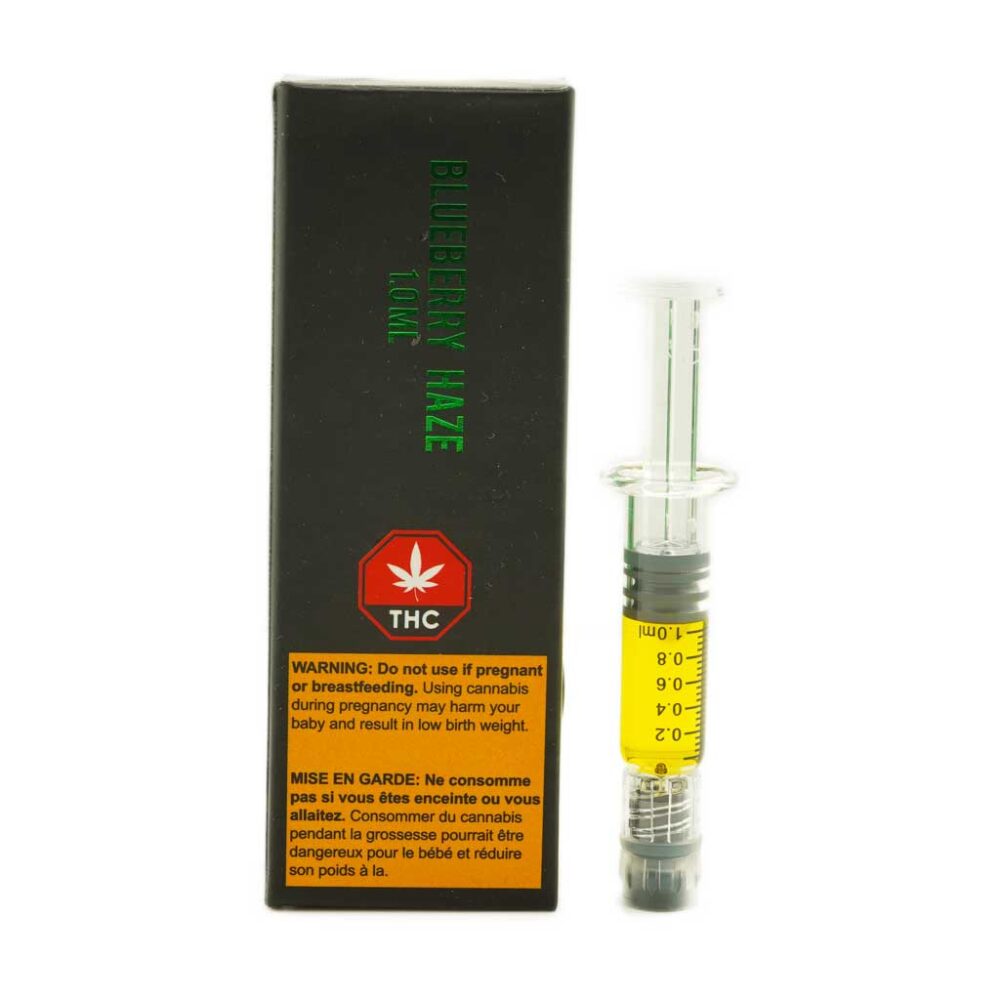
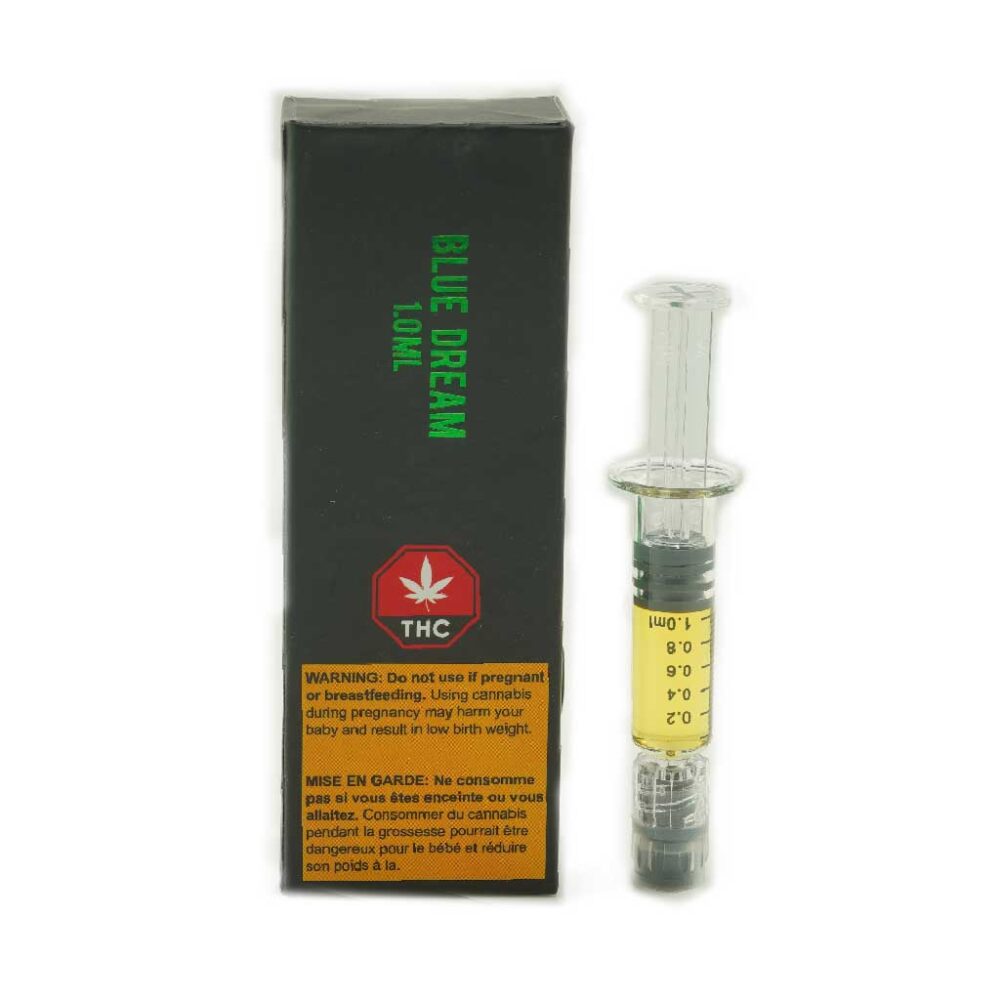
If you are looking to buy delta 9 oil, you are probably after something more concentrated than a typical tincture or edible. Oil-based delta 9 products come in many forms: sublingual drops, vape cartridge fills, and syringes for precise dosing. Each format changes how the compound enters your system and how fast you feel it. Knowing which one fits your routine is the first step.
Where Delta 9 Oil Comes From
Most delta 9 oil sold today is derived from hemp. The 2018 Farm Bill made hemp-derived cannabinoids legal at the federal level, as long as the final product contains less than 0.3% delta 9 THC by dry weight. That limit applies to raw hemp, but once you extract and concentrate the oil, the math changes. A delta 9 distillate can easily exceed that threshold, which means legality varies by state. Always check your local laws before you buy delta 9 oil online or in a shop.
Extraction methods also shape the final oil. CO2 extraction uses pressurized carbon dioxide to pull cannabinoids and cannabis terpenes from the plant material. It preserves a wide range of compounds, which supports the entourage effect - the theory that cannabinoids and terpenes work better together than alone. Ethanol extraction, on the other hand, is cheaper and faster but can leave behind solvent residues if not done carefully. Reputable sellers like Kush Station use third-party lab testing to verify purity and potency, so you know exactly what you are getting.
Full-Spectrum vs. Isolate: What You Are Actually Getting
A full-spectrum oil contains not just delta 9 THC but also delta 8 THC, CBD isolate, minor cannabinoids, and a range of cannabis terpenes. The idea is to capture the whole chemical profile of the plant. Many experienced users swear by full-spectrum oils because they feel more balanced and nuanced. The presence of delta 8 THC, for example, can modulate some of the anxiety that straight delta 9 sometimes causes.
On the other hand, a pure delta 9 distillate gives you a very clean, predictable effect. If you know exactly how delta 9 affects you and you want to dial in your dose without interference from other compounds, a distillate might be your best bet. The trade-off is that you lose the subtle contributions of cannabis terpenes and other cannabinoids that might enhance the experience. There is no right answer here - it comes down to personal preference and what you want the product to do.
How to Read a Lab Report
When you buy delta 9 oil from a site like Kush Station, look for a compliance certificate or a certificate of analysis from a third-party lab. That document should list the percentage of delta 9 THC, delta 8 THC, and CBD isolate, along with any residual solvents or heavy metals. It should also show the level of caryophyllene and other black pepper terpenes, which are common in hemp extracts and can affect flavor and aroma. If the seller does not provide this information, consider that a red flag.
Dosing and Delivery Methods
Delta 9 oil is potent, and a little goes a long way. Sublingual drops are popular because they absorb directly into the bloodstream under the tongue, bypassing the liver. Onset is usually within 15 to 30 minutes, and the effects can last several hours. A vape cartridge filled with delta 9 distillate works faster - you feel it in minutes - but the effects taper off sooner. That makes vaping better for short sessions, while sublingual drops suit a longer, steadier experience.
Syringes are another common format, especially for experienced users who want to measure exact doses. You can drop the oil onto a small piece of food or directly into your mouth. The key is to start low and go slow. Even if you have used cannabis for years, concentrated delta 9 oil can hit harder than you expect, especially if you are used to smoking flower or eating edibles.
The Role of Terpenes in the Experience
Cannabis terpenes are the aromatic compounds that give each strain its distinct smell and taste. But they do more than that. Research suggests that certain terpenes, like caryophyllene found in black pepper, can bind to the CB1 receptor in the endocannabinoid system. That means they may directly influence how delta 9 THC interacts with your body. When you buy delta 9 oil that retains these terpenes, you are not just getting THC - you are getting a more complex chemical interaction. This is where the entourage effect becomes tangible, not just a theory.
Some brands, such as 3Chi and Koi CBD, have built reputations around formulations that balance cannabinoids and terpenes carefully. Their products often combine delta 8 THC with delta 9 distillate and CBD isolate to create a profile that reduces anxiety while still delivering noticeable effects. If you are new to delta 9 oil, starting with a balanced formula from a trusted maker can help you understand your tolerance before moving to more concentrated isolates.
Safety and Legality
Because delta 9 oil is so concentrated, the legal status can be confusing. A product that is hemp-derived and contains less than 0.3% delta 9 THC by dry weight is federally legal, but once you extract that THC into an oil, the concentration rises far above that threshold. Many states treat any product containing any detectable delta 9 THC as a controlled substance. Others have explicit laws for hemp-derived cannabinoids that allow higher concentrations for adult use. Do not assume that because a product is sold online, it is legal in your state. Check your local regulations before you place an order.
On the safety side, third-party lab testing is your best friend. A compliance certificate from an accredited lab tells you the product is free from heavy metals, pesticides, and residual solvents. It also confirms the potency so you can dose accurately. Brands that skip this step are not worth the risk. Kush Station, 3Chi, and Koi CBD all make lab results available, which is a good sign that they take quality seriously.
Making an Informed Choice
Whether you choose a full-spectrum oil, a delta 9 distillate, or a blend with delta 8 THC and CBD isolate, the most important thing is to know what you are buying. Read the lab reports. Understand the extraction method. Consider the delivery format that fits your lifestyle. And always start with a low dose until you understand how your body responds. The endocannabinoid system is complex, and everyone reacts differently. What works for your friend might hit you harder or lighter.
If you are ready to explore, sites like Kush Station offer a curated selection of oils, distillates, and syringes that come with clear labeling and lab access. Take the time to compare products, read descriptions, and check the certificates. That small effort makes the difference between a good experience and a disappointing one.